Berberine has become one of the most talked-about supplements of the last few years, and blood sugar is the reason. It's also one of the named ingredients in GlucoZen. Here is a plain-English look at what berberine is, what the research actually shows and when to be careful.
What is berberine?
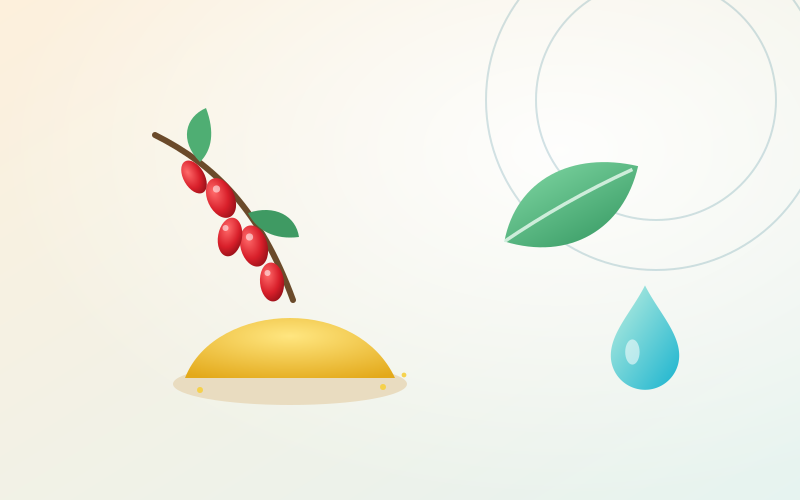
Berberine is a bitter, bright-yellow compound found in the roots, stems and bark of several plants, including European barberry, goldenseal, goldthread, Oregon grape, phellodendron and tree turmeric. It has been used for centuries in Ayurvedic medicine and traditional Chinese medicine, mostly for digestive complaints and infections.
In supplements, it usually appears as berberine HCl (berberine hydrochloride), a stable form that's easy to work with.
What the research shows
Berberine has a larger body of human research on glucose than most botanicals. A 2019 systematic review and meta-analysis in Endocrine Journal pooled 28 randomized controlled trials involving 2,313 adults with type 2 diabetes. It looked at fasting glucose, post-meal glucose and HbA1c, a marker of average blood sugar over time.
That sounds impressive, and it's why researchers remain interested. But the same literature also flags real limitations: many trials were small or short, quality varied, and most were done in people who already had diabetes, often alongside medication. In other words, berberine is promising, not proven, and research on berberine alone doesn't show what any particular multi-ingredient product will do.
How it might work
In laboratory studies, berberine activates AMPK, an enzyme that acts as a kind of cellular fuel gauge and helps regulate how cells take up and use glucose. Researchers have also studied its effects on the gut and on how the liver produces glucose. These mechanisms are still being worked out.
Safety and side effects
- Digestive upset such as constipation, diarrhoea, nausea or stomach pain is the most commonly reported side effect, according to the NIH's NCCIH.
- Pregnancy and breastfeeding: MedlinePlus rates berberine as likely unsafe in both situations.
- Medication interactions: berberine can affect how some drugs are processed and may add to the effect of glucose-lowering medicines. Talk to your doctor first.
Berberine in GlucoZen
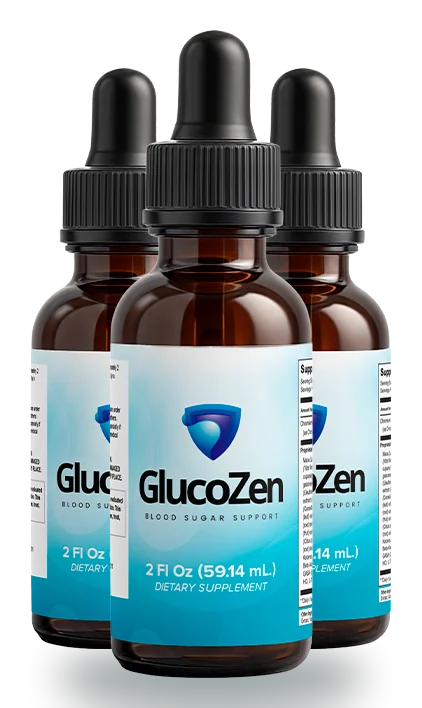
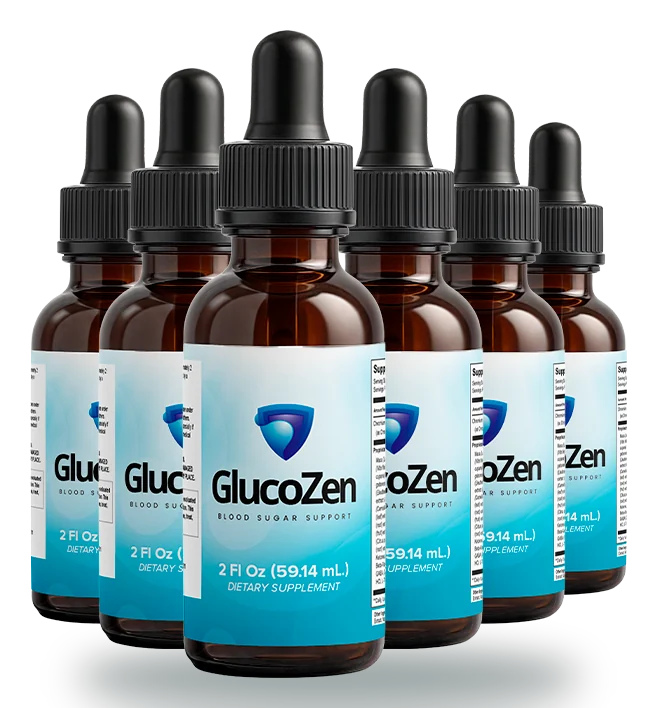
GlucoZen lists berberine HCl as one of the named botanicals in its blend, alongside gymnema sylvestre and cinnamon bark extract. The seller doesn't publish the amount of each ingredient, so check the label. GlucoZen is intended to support healthy blood sugar levels as part of a balanced routine.* Read the full product overview.
Keep reading
- Gymnema Sylvestre: The Leaf That Mutes Sweetness
- 7 Everyday Habits That Support Healthy Blood Sugar
- How GlucoZen works
This article is for general information and isn't medical advice. *These statements have not been evaluated by the Food and Drug Administration. GlucoZen is not intended to diagnose, treat, cure, or prevent any disease. Sources: see our scientific references.